
Nordic Minimalism and Its Influence on Asian Design Travel
Nordic minimalism and several Asian design traditions share an interest in natural materials, restraint and functional space. This guide explains where the two meet and how travelers can see the influence in cities across Asia.
We may earn a commission when you book through links on this page, at no extra cost to you. How affiliate links work
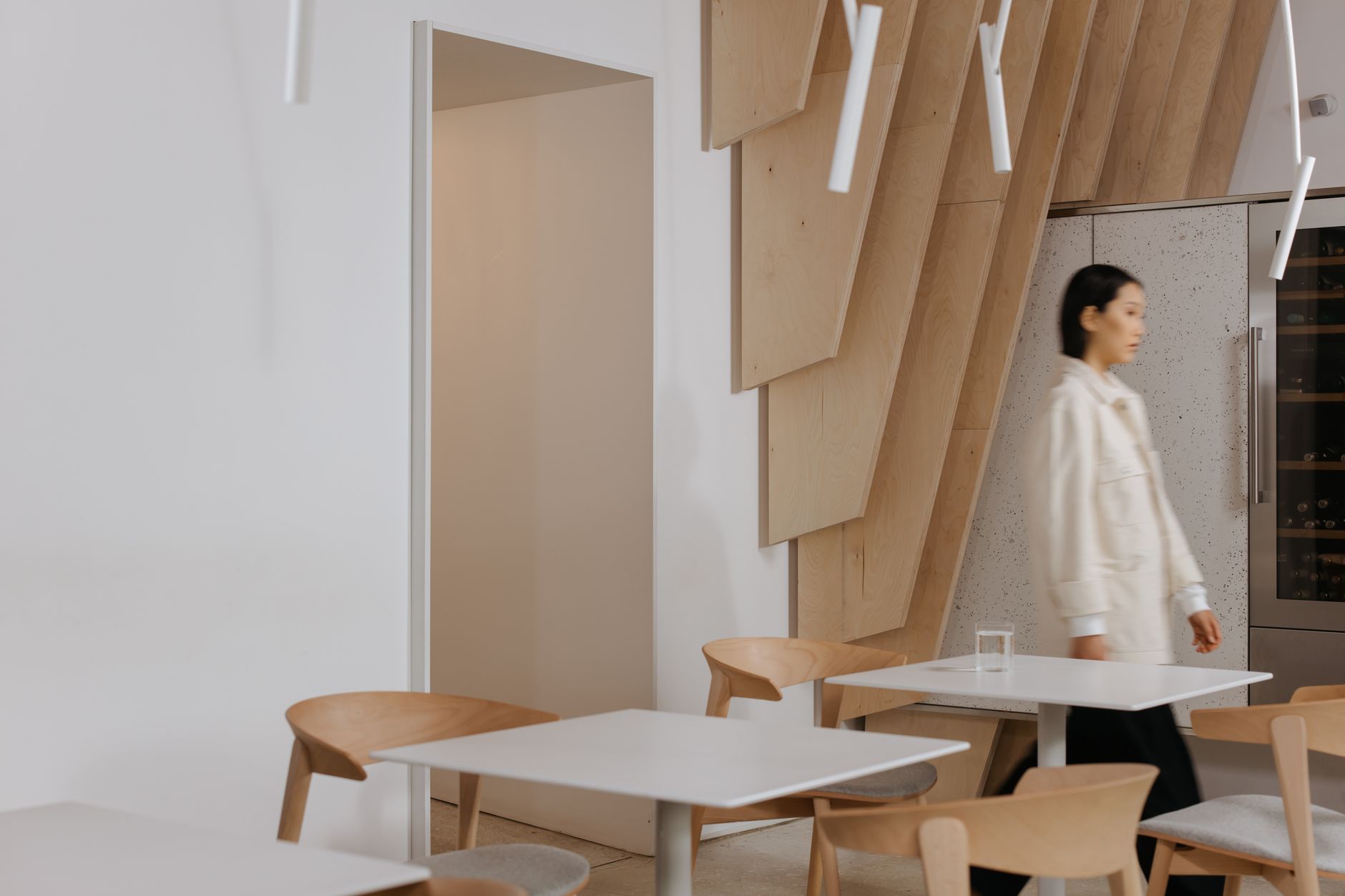
Minimalism is one of the most widely discussed ideas in contemporary interior and product design, and two of its strongest traditions come from opposite ends of Eurasia. Scandinavian and Finnish design developed a focus on clean lines, natural wood, and light-filled rooms, while many Asian design traditions, especially Japanese, Korean, and parts of Chinese and Southeast Asian craft, have long valued simplicity, empty space, and the honest use of materials. Where these traditions meet, travelers can find a distinctive design language that is calm, practical, and rooted in careful craftsmanship.
Where the traditions overlap
Nordic design emphasizes functionality, democratic access to good objects, and a close relationship with nature and daylight. Japanese aesthetics offer related principles, including the idea of ma, meaning intentional negative space, and wabi-sabi, which appreciates imperfection, natural aging, and modest materials. Both approaches tend to favor wood, stone, ceramics, and textiles, and both are comfortable with restraint. Designers in recent decades have often blended the two, sometimes under the label Japandi, though the term is informal and its meaning varies among designers and retailers.
The overlap is not a simple copy. Nordic interiors often feel bright and airy with a sense of warmth from textiles and social spaces, while Japanese-influenced spaces may be more sparse and contemplative, with tatami, paper screens, and low furniture. Recognizing these differences helps travelers appreciate how each tradition contributes to the same underlying values.
Planning a trip like this?
Get a free day-by-day plan with flights, hotels and tours in a few minutes.
Where to see the influence
Many cities in Asia now host boutique hotels, cafes, and shops that draw on Nordic and Japanese principles. In Japan, traditional inns and renovated machiya townhouses in cities such as Kyoto offer a direct sense of the older aesthetic, and newer hotels in Tokyo often reinterpret it with modern materials. In Seoul, Taipei, and Hong Kong, independent cafes and design-led hotels frequently use pale woods, simple lighting, and handcrafted ceramics. Singapore and parts of Southeast Asia also host design-focused hotels and retail spaces that show related influences.
Exhibitions, design weeks, and craft markets are another way to see the trend in context. Local events vary by year and city, so it is worth checking the calendars of design museums and galleries before traveling. Independent furniture studios, ceramic workshops, and textile makers often welcome visitors who want to see how pieces are made, although opening arrangements differ and may require appointments.
Planning a design-focused trip
A design-focused itinerary works best when it is built around a few anchor locations rather than many short stops. Choose one or two cities and allow time for walking, since much of the interesting work is found in small streets, side lanes, and residential neighborhoods rather than only in major attractions. Look for museums with permanent craft collections, as they provide context for the contemporary work you will see in shops and hotels.
Consider timing as well. Shoulder seasons often give more room in boutiques and museums, and some craft studios are easier to visit outside the busiest travel periods. If you are interested in buying furniture or ceramics, check shipping and import rules in advance, since large or fragile items can add cost and complexity. Many designers also sell smaller objects that are easier to carry home.
Respecting craft and context
Interest in minimalist design can sometimes lead to superficial consumption, where a style is adopted without understanding its roots. Travelers can avoid this by learning a little about the cultural background of the objects they admire. Ask shop staff about the makers, the materials, and the techniques, and be willing to pay fair prices for handmade goods. Supporting workshops that train apprentices or preserve regional techniques helps keep traditional skills alive.
Photography in studios, temples, and traditional inns should follow local rules, and some spaces restrict images altogether. Respect for the quiet atmosphere that defines these places is part of the experience and part of what makes the design meaningful in the first place.
Practical tips
- Pick two or three neighborhoods rather than trying to cover an entire city.
- Check opening days and appointment requirements for studios and small workshops before going.
- Look for museum shops and cooperatives that sell work directly from makers.
- Ask about shipping, duties, and fragile-item packing before buying large pieces.
- Bring a small notebook or a note app to record names of studios and designers you want to revisit.
- Allow time to sit in cafes and hotel lounges, since the atmosphere is part of the design.
Nordic minimalism and Asian design traditions offer a rich way to understand how simplicity can carry meaning, comfort, and craft. A trip built around these ideas does not need to be expensive or extensive. A few carefully chosen neighborhoods, a museum or two, and conversations with makers can reveal far more than a checklist of trendy addresses. Approached with curiosity and respect, design travel becomes a way of seeing how different cultures have answered the same question about how to live well with less.
This guide is published by Tripsora. Read the original on Tripsora.com
What to do next
Tripsora AI agent
Plan your whole trip
Flights, hotels, tours and a day-by-day plan in one chat.