
Canal Cities in Europe to Consider Instead of Venice
Several European cities combine historic canals with walkable centers and strong local culture, offering an alternative to Venice. This guide compares Bruges, Ghent, Amsterdam, Strasbourg and Annecy and explains how to plan visits.
We may earn a commission when you book through links on this page, at no extra cost to you. How affiliate links work
Venice is one of the most distinctive cities in the world, built on islands in a lagoon and connected by canals and footbridges. Its popularity, however, means that its historic streets can be crowded for much of the year, and visitors often look for other places that offer water views, historic architecture and a relaxed pace. Several European cities provide canals, medieval or early modern centers and strong local food and culture. None replicates Venice, but each offers its own sense of waterside life. This guide describes several options and what to consider when planning a visit.
Bruges: Medieval Canals and Quiet Lanes
Bruges, in Belgium, is one of the best-known canal cities in Northern Europe. Its historic center has a network of waterways lined with brick houses and gabled façades, and many visitors take boat tours to see the city from the water. The Markt, the main square, is dominated by a bell tower, and the Groeningemuseum holds a notable collection of Flemish art. Bruges is compact and easy to explore on foot, and early mornings and evenings tend to be calmer than midday.
Boat tours are a popular way to see the canals. Operators run regular trips, but schedules and prices vary by season, so check current information before you go. Bruges is also known for chocolate and beer, and visitors can find both in shops and traditional cafes.
Planning a trip to Venice?
Get a free day-by-day plan with flights, hotels and tours in a few minutes.
Plan my trip free →See top-rated tours in Venice
Ghent: Waterfront Architecture and Student Energy
Ghent, also in Belgium, is a university city with a historic center built around rivers and canals. The Gravensteen, a medieval castle, stands near the water, and the Graslei and Korenlei quays offer views of medieval guildhalls and merchant houses. Ghent has a lively cultural scene, with music venues, cafes and a strong food culture. It is less touristed than Bruges in many periods, which many travelers find appealing.
Ghent is well connected by rail to Brussels and Bruges, so it can be combined easily with other stops in the region. Boat trips on the rivers are available, and walking the quays is a pleasant way to see the historic core.
Amsterdam: Canal Ring and Museums
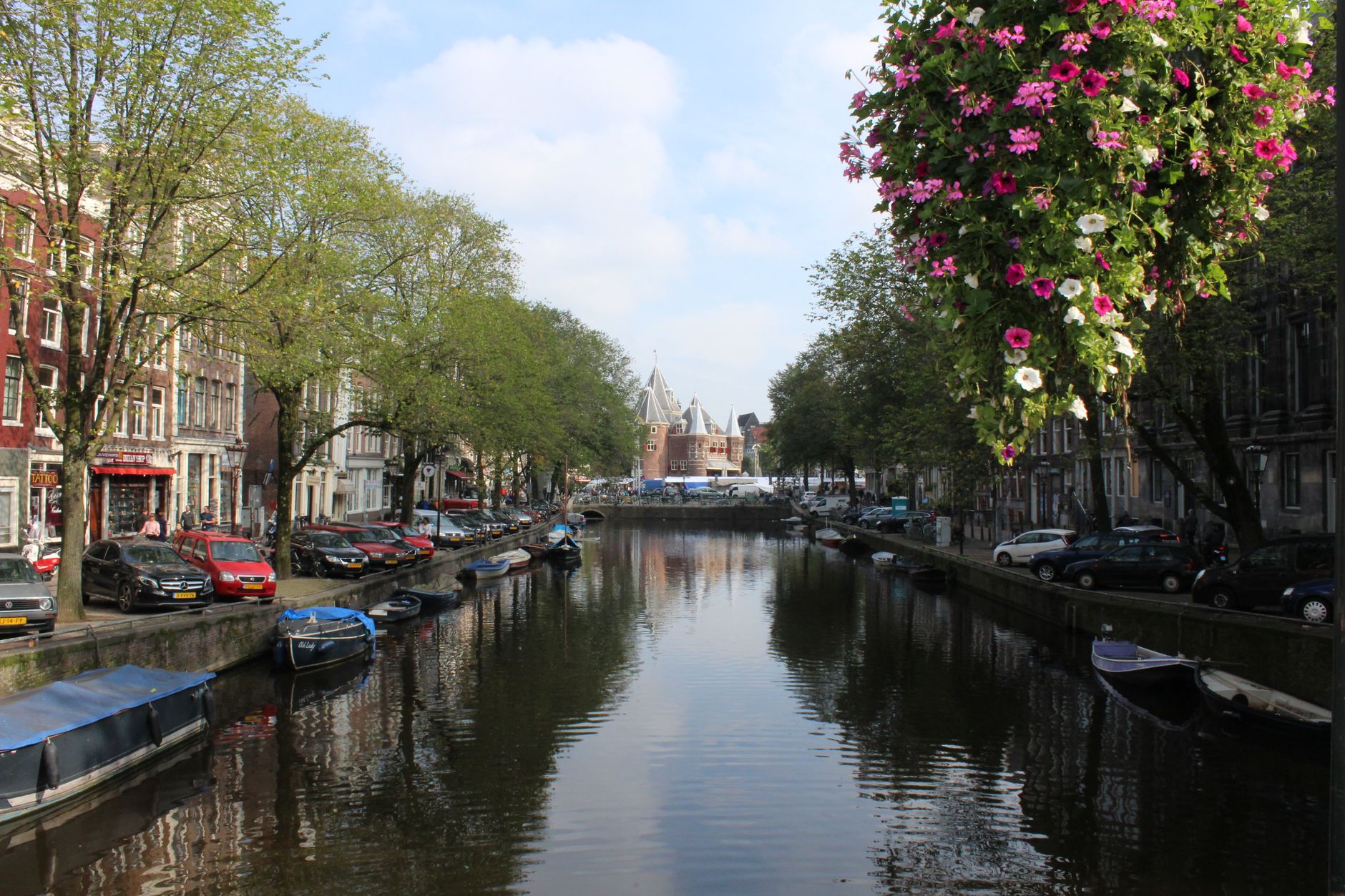
Amsterdam's canal ring, known as the Grachtengordel, is a UNESCO-listed area of concentric canals lined with narrow merchant houses from the seventeenth century. The city has a strong museum scene, including the Rijksmuseum and the Van Gogh Museum, and many neighborhoods have quiet canal-side streets away from the main squares. Bicycles are the common way to get around, and visitors should be careful when crossing bike lanes and reading traffic signals.
Amsterdam is a large city with significant visitor numbers, so exploring the quieter canals and early mornings can help you enjoy the water views. Boat tours are widely available and offer a different perspective on the architecture.
Strasbourg: Half-Timbered Houses on the Ill
Strasbourg, in eastern France, sits on the Ill River and has a historic district known as La Petite France, where half-timbered houses line narrow canals and bridges. The city's Gothic cathedral is one of the most prominent landmarks in the region, and the old town is a UNESCO World Heritage Site. Strasbourg combines French and German influences in its architecture, food and language, and its Christmas markets are well known. Boat trips and riverside walks offer views of the historic houses.
Because Strasbourg is also an administrative city hosting European institutions, its streets and hotels can be busy during conferences and sessions. Check the local calendar when planning dates.
Annecy: Alpine Lake and Canal Charm
Annecy, in the French Alps, is a smaller city with canals that run through its old town, known as the Vieille Ville. The waters of the Thiou canal flow past pastel buildings and arched bridges, and the large lake of Annecy, set among mountains, is nearby. Visitors can walk along the lakeside, rent boats in season and visit the castle. Annecy is particularly appealing for travelers who want water views with mountain scenery.
Practical tips
Plan your visit around the season. Canal cities can be enjoyable in spring and autumn, when weather is mild and crowds are often lighter, though conditions vary. Check the current schedules for boat tours and rental services, which can change with weather and season. Wear comfortable shoes, since many historic centers have cobbled streets and bridges. Take care near canals, especially with children, and use railings where available. Consider staying in a central location or near a rail station, and book popular accommodations early. Build in time for museums and cafes, because a relaxed pace suits these cities best.
Canal cities across Europe provide a range of experiences that can complement or replace a visit to Venice. Bruges, Ghent, Amsterdam, Strasbourg and Annecy each have distinct architecture, food and landscapes. Choosing among them depends on whether you prefer medieval atmosphere, museums, lake scenery or a mix of city life and waterways.
This guide is published by Tripsora. Read the original on Tripsora.com
What to do next
Tripsora AI agent
Plan your whole trip
Flights, hotels, tours and a day-by-day plan in one chat.